Fjällräven Abisko Lite 2 - Tent
Why We Chose the Abisko Lite 2
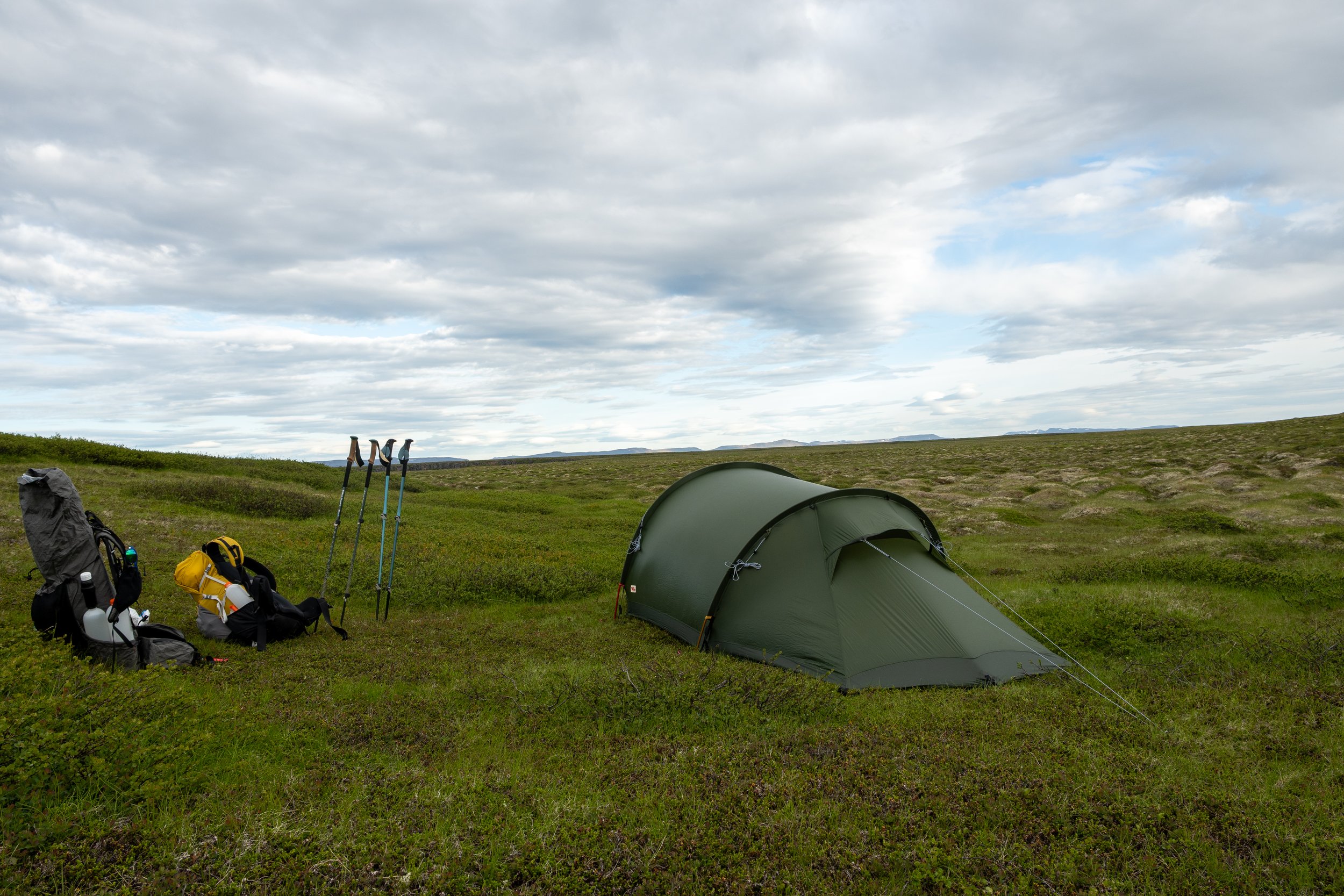
In July 2026, we hiked the Iceland Traverse, crossing some of the country's most remote and hostile terrain. The Icelandic Highlands are notorious for strong winds, driving rain and sandstorms, and once you're deep into the interior there are very few places to hide from the weather.
After researching shelters used by previous hikers, one tent kept appearing on our shortlist: the Fjällräven Abisko Lite 2.
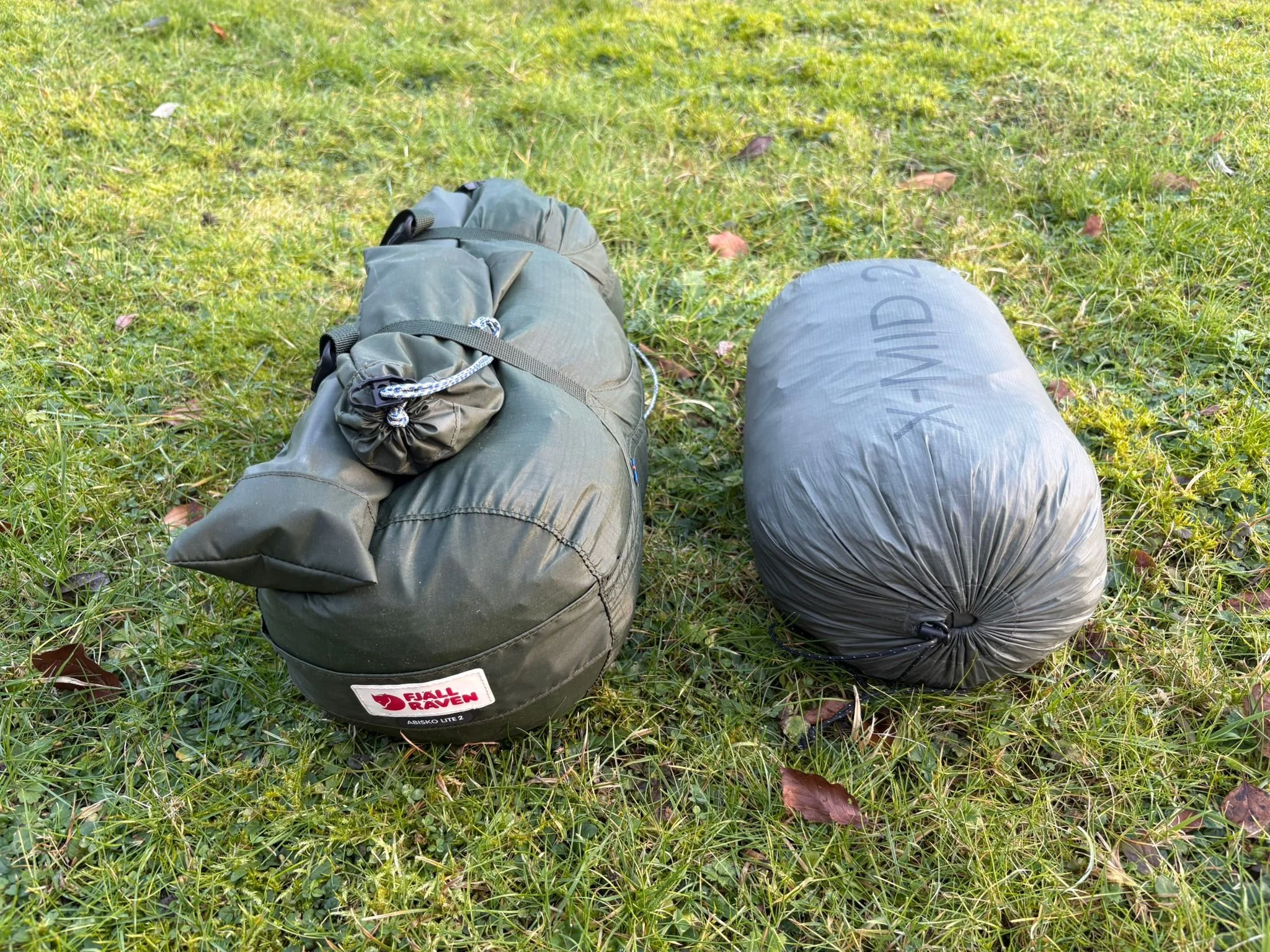
We normally use considerably lighter shelters. Our standard two-person tent is a Durston X-Mid 2, while my solo shelter is an X-Mid Pro 1. Both are substantially lighter than the Abisko Lite 2, but weight was not our primary concern for Iceland. Weather resistance and reliability was.
The Abisko Lite 2 promised genuine four-season performance at a reasonable weight, and on paper seemed like the ideal compromise between expedition-worthy strength and long-distance practicality. After more than twenty nights of use, including some very challenging conditions, we came away reasonably impressed. But not without reservations.
Specifications
Claimed weight: 2070g including poles and pegs
Capacity: 2 person
Design: Tunnel tent
Season rating: 4 season
Doors: 1
Vestibules: 1
Price: Approximately £700 RRP
Weather Resistance: Exactly What We Bought It For
Put simply, the Abisko Lite 2 excels in bad weather. Throughout the Iceland Traverse we exposed it to strong winds, prolonged rain, volcanic sand and rough campsites. At no point did the tent give us reason to worry. We frequently camped on sharp volcanic ground without using a footprint and suffered no punctures, tears or excessive wear. The fabrics inspired confidence from day one and still looked excellent after the trip.
The most impressive performance came in high winds. During stronger gusts the poles flexed and bowed as expected, but the structure remained stable and secure. We experienced conditions approaching 50mph and never felt concerned about the tent failing. For a shelter designed to withstand severe weather while remaining relatively lightweight, that's exactly what you want.
Build Quality: Strong But Surprisingly Imperfect
The Abisko feels durable, but several details left us scratching our heads. The pegging loops use thick webbing straps that are undoubtedly strong, yet they have an annoying tendency to work themselves free if not attached carefully. Once we learned how to secure them properly, it stopped being an issue, but it's not something we expect to think about on a £700 tent.
We also discovered several factory-tied guy lines that weren't secured particularly well. On more than one occasion knots came loose during the night and required retying. Neither issue is serious, but both seem out of place on a premium shelter from a company with Fjällräven's reputation. The door zip also occasionally catches on the flysheet, making quick exits in wind and rain slightly more frustrating than they should be.
On the positive side, the adjustment system on the pegging point is excellent. The tensioning straps make it easy to achieve a taut pitch, even on uneven ground.
Waterproofing and Ventilation
In use, waterproofing was flawless. Despite enduring heavy rain, we never experienced leaks or water ingress while inside the tent. Ventilation is also very good. The adjustable vents and solid or mesh inner door options allow airflow to be tailored to conditions, helping minimise condensation.
The only concern came after packing the tent away wet. We carefully rolled the inner within the outer preventing moist outter fabric coming in contact with the inner, yet occasionally found small pools of water inside when pitching again the following evening. This may have been caused by pressure forcing moisture through layers while packed, but it is something we've never experienced with our Durston shelters. It was never a major issue, but it's worth mentioning.
Pitching the Tent
One of the Abisko's strongest qualities is how easy it is to pitch. Peg out the four corners, insert the poles, tension the structure and secure the remaining points. That's essentially it. The process is intuitive, fast and, being semi-freestanding, difficult to get badly wrong. The tunnel design naturally achieves a good shape, while the tensioning system allows quick adjustments. In stronger winds the additional guy lines provide welcome stability, although we rarely felt the need to use all of them. For a tent designed for poor weather, setup is impressively straightforward in comparison to equivalent competitors.
The Biggest Drawback: Living Space
This is where the Abisko Lite 2 loses points. For sleeping, it's perfectly adequate. For everything else, it's cramped. The single vestibule is just large enough for two backpacks and footwear. Packing gear, changing clothes and sorting equipment during bad weather quickly becomes a challenge. The tunnel design creates only one meaningful high point inside, and the low profile that helps the tent perform so well in storms also limits usable space. I'm 6ft 2 and Miranda is 5ft 11. Neither of us could sit upright comfortably inside the tent. When conditions are good, this isn't a major issue. When rain, wind or insects force you into the tent for hours, it becomes much more noticeable. By the end of our time in Iceland, we found ourselves wishing for additional headroom and living space far more often than we wished for additional storm resistance. For solo hikers the tent would feel luxurious, but heavy for one person to carry. For two people on a long-distance hike, it can feel undersized.
Pros
Excellent performance in strong winds
Durable fabrics and construction
Easy to pitch
Good ventilation
Relatively lightweight for a genuine four-season shelter
Confidence inspiring in exposed conditions
Cons
Cramped for two tall people
Small vestibule
Pegging straps can detach from pegs
Some guy lines were poorly tied from the factory
Zip occasionally catches
Expensive
Final Verdict
The Fjällräven Abisko Lite 2 is a specialist tool. If your priority is surviving severe weather in remote places while keeping weight within reason, it does that exceptionally well. Throughout the Iceland Traverse it proved strong, dependable and capable of handling everything the Icelandic Highlands threw at it.
What it doesn't do particularly well is provide comfort. For two hikers, particularly taller hikers, living in the tent day after day can feel restrictive. The low profile that makes it so capable in storms also makes it difficult to spend extended periods inside.
Would we use it again? Absolutely, for places like Iceland, Greenland, northern Scandinavia or any trip where extreme weather is a significant risk to safety.
Would we choose it for every backpacking trip? No. Most of the time we'd happily carry a lighter and more spacious shelter. The lack of space has even drawn us to avoid trips that require a shelter like this until we find something that ticks all the boxes.
That's perhaps the best summary of the Abisko Lite 2: a superb bad-weather tent that prioritises protection over comfort, and unapologetically so.
